 +91 70444 97936
 Open Hours: Mon - Fri ( 09:00 am - 05:00 pm )
We are on:
.png)
.png)
.png)
+91 70444 97936
Open Hours: Mon - Fri ( 09:00 am - 05:00 pm )

 2026-03-19 01:34:03
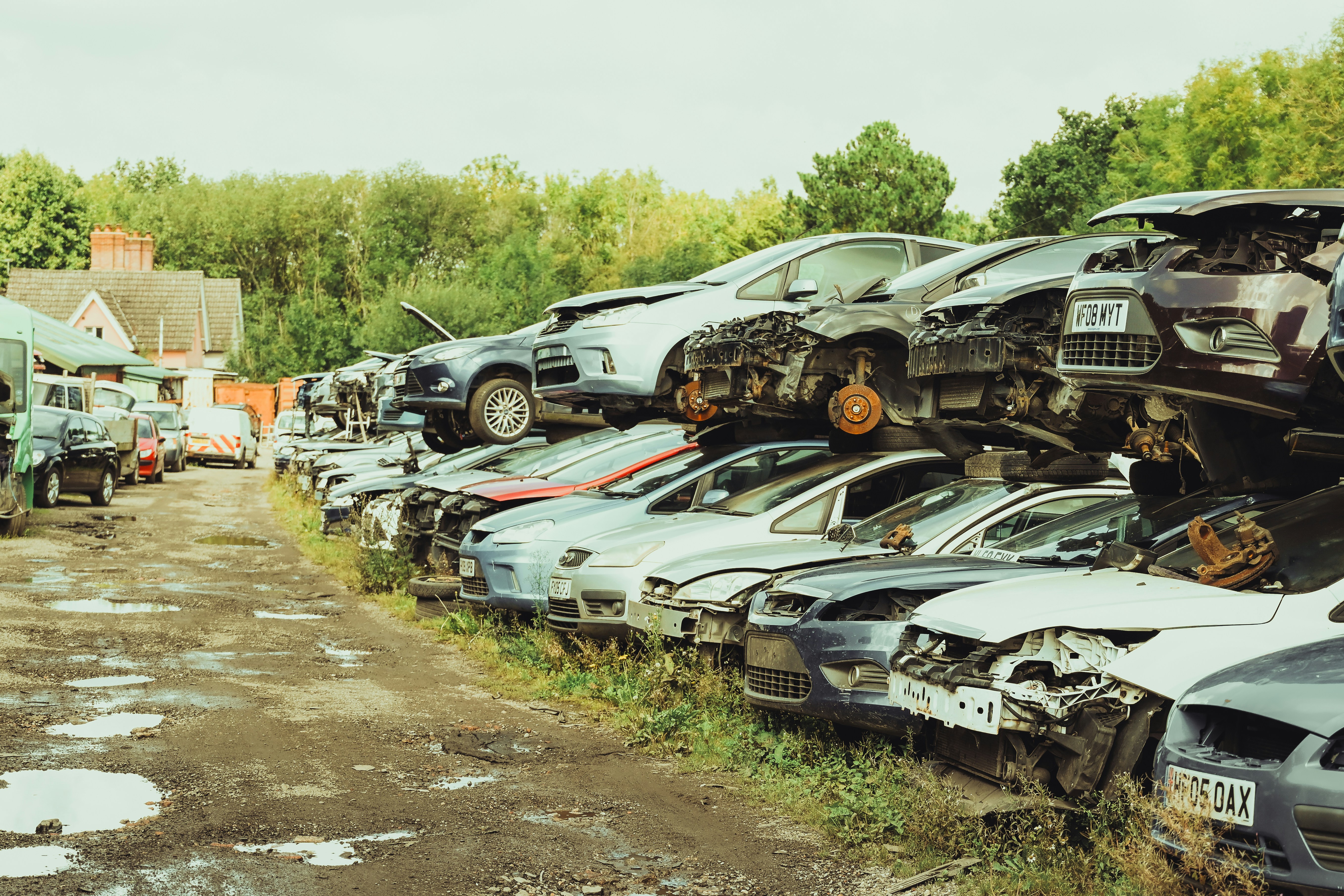
Eco-friendly car scrapping plays an important role in protecting the environment. Old and damaged vehicles can create pollution if they are not disposed of properly.
When a car is scrapped professionally, its parts are carefully separated. Metals such as steel, aluminium, and copper are recycled and reused in manufacturing. This reduces the need for mining new raw materials.
Car scrapping also helps in safe disposal of harmful fluids. Old vehicles contain engine oil, coolant, brake fluid, battery acid, and fuel residue. If these substances leak into the soil or water, they can cause serious environmental damage.
Reusable car parts such as tyres, batteries, mirrors, lights, seats, and engine components can be repaired or reused. This reduces waste and supports the circular economy.
Scrapping old vehicles also helps reduce air pollution. Older cars often produce more smoke and harmful emissions compared to newer vehicles. Removing such vehicles from the road improves air quality.
Eco-friendly car scrapping is not just about disposing of a vehicle. It is about recycling resources, reducing waste, saving energy, and keeping the environment cleaner for the future.
Eco-Friendly Car Scrapping: How It Helps the Environment

When is the Right Time to Scrap Your Old Car?
How Car Scrapping Works: Step-by-Step Guide for Vehicle Owners

Top Benefits of Scrapping Your Vehicle Instead of Selling It